OpenAI and the Flexible Copyright
OpenAI recently released a built-in image generator for their 4o model. The model can generate images from text, images, or a combination of both.
Many users have noticed that the new model is much better than the old one, DALL·E 3. You can, for example, ask the model to combine two images (“re-wallpaper this room with this wallpaper”), or add something to an existing image (“swap my cap for a Google ‘noogler’ cap”).
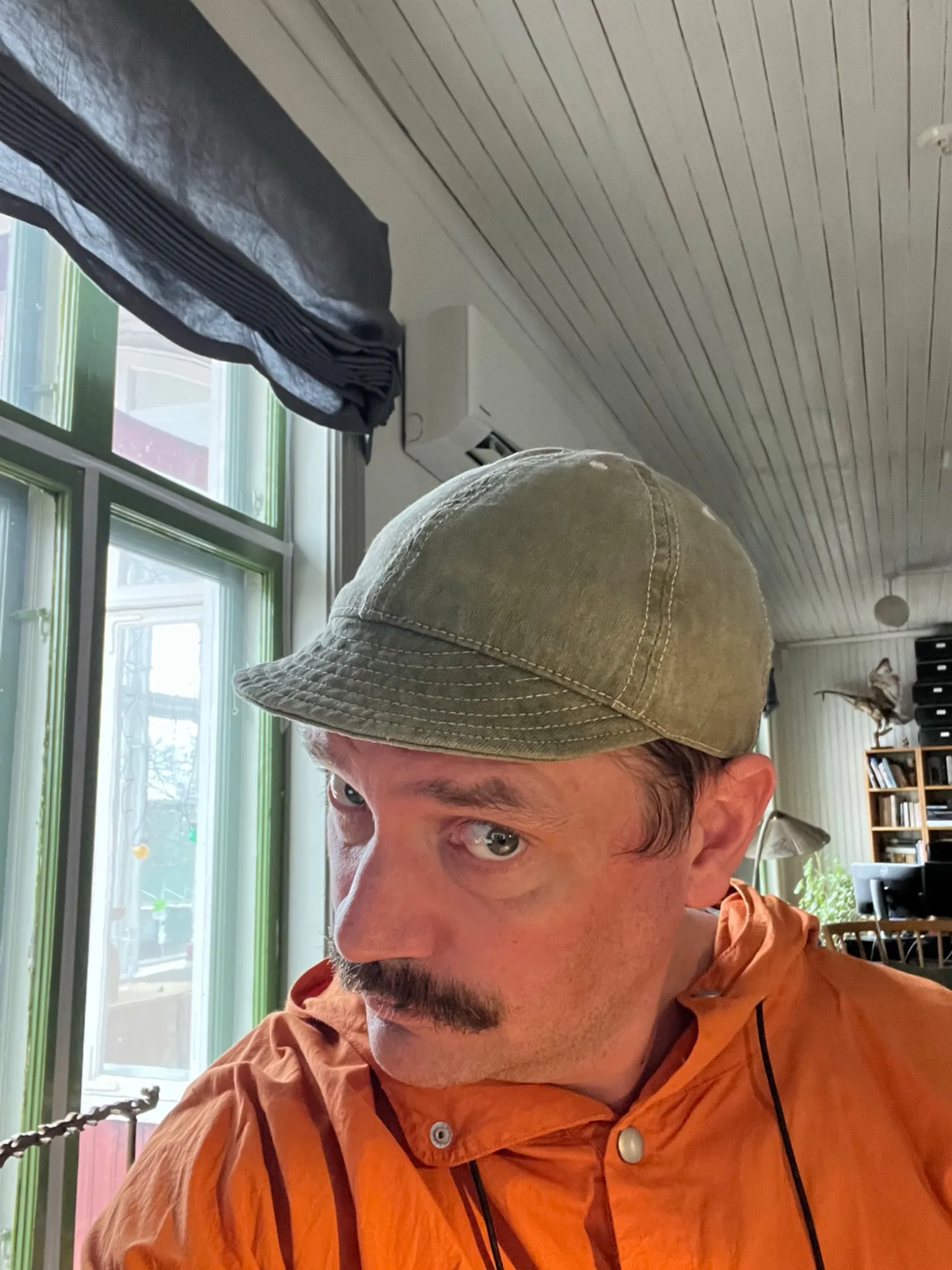
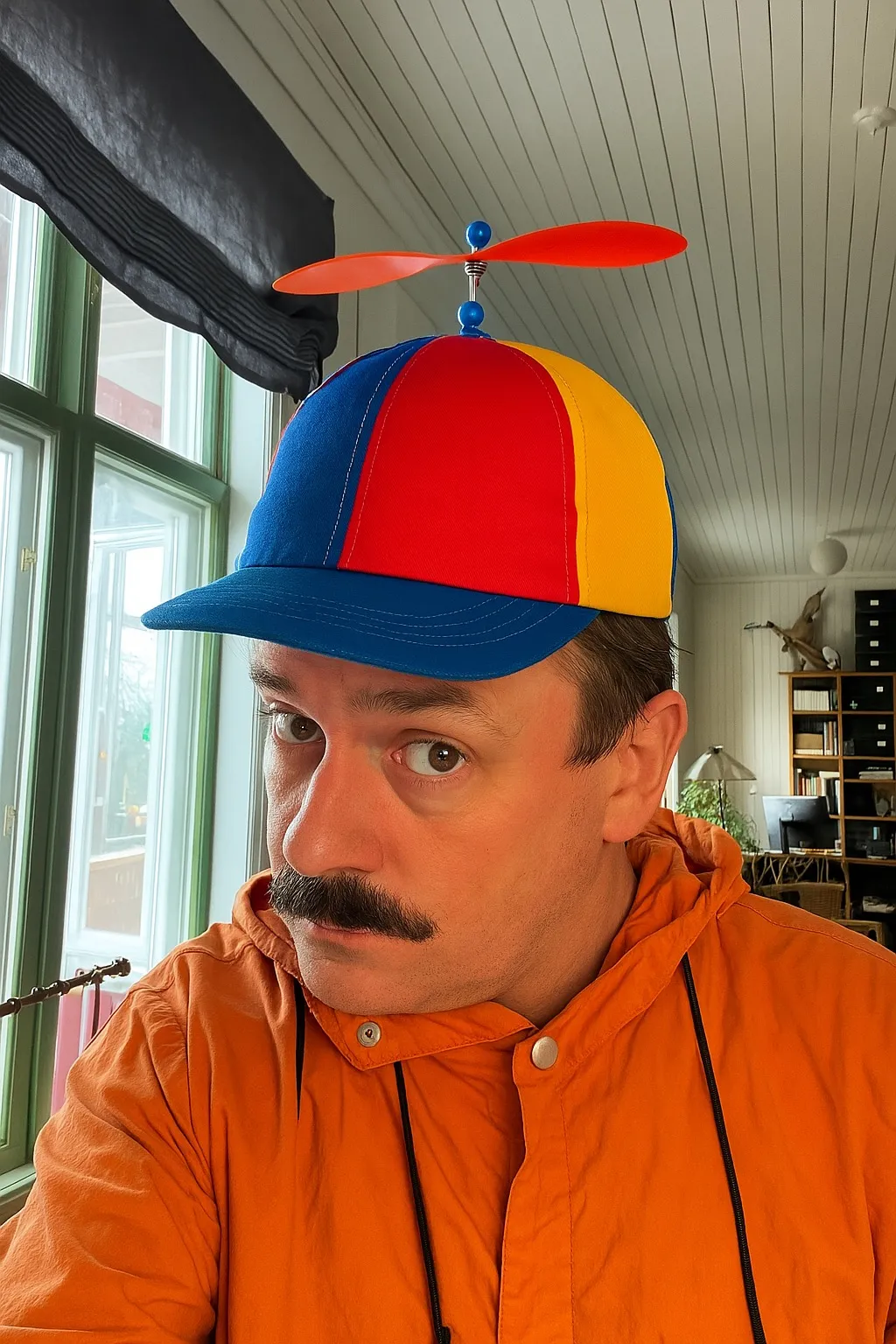
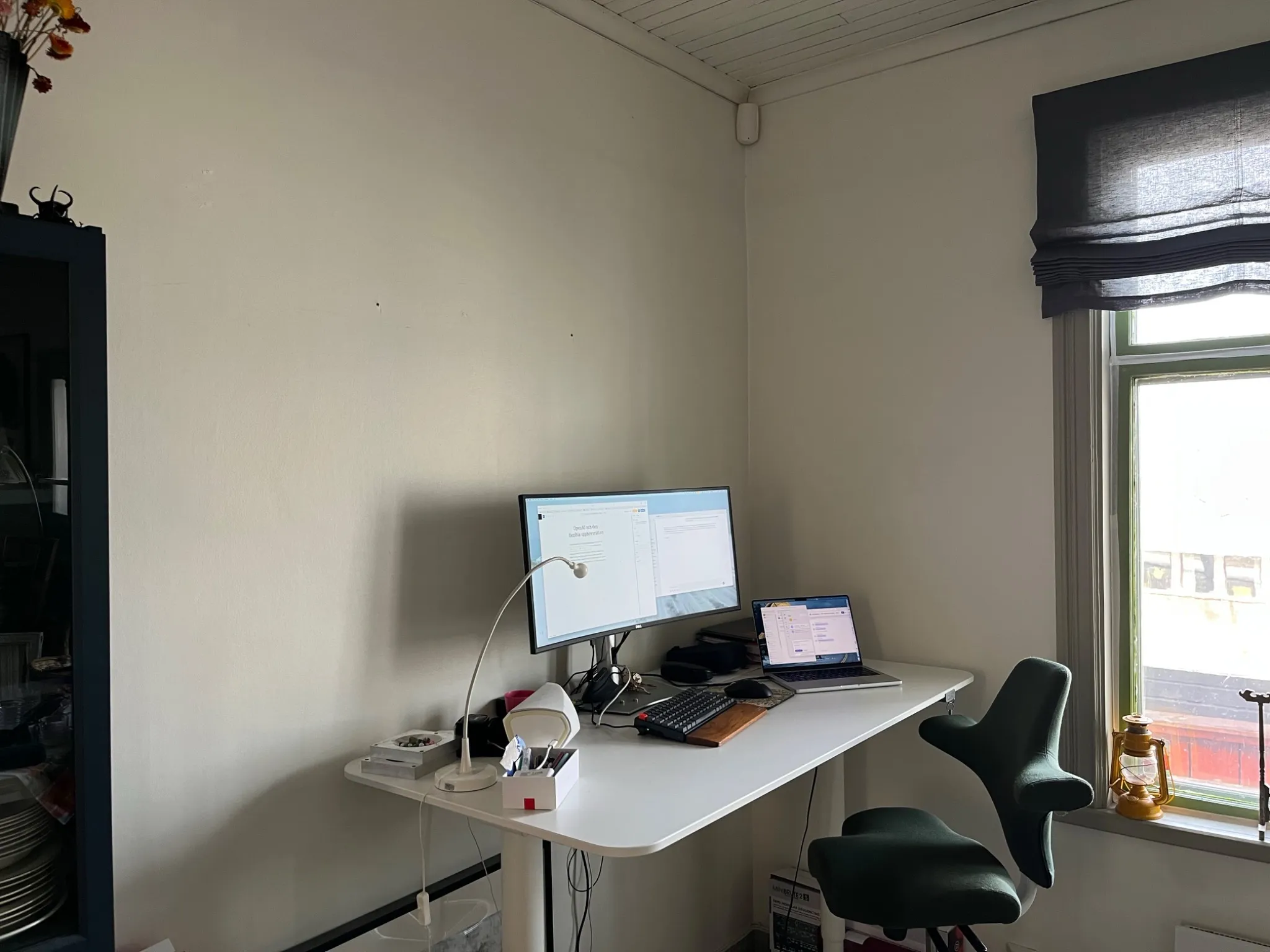
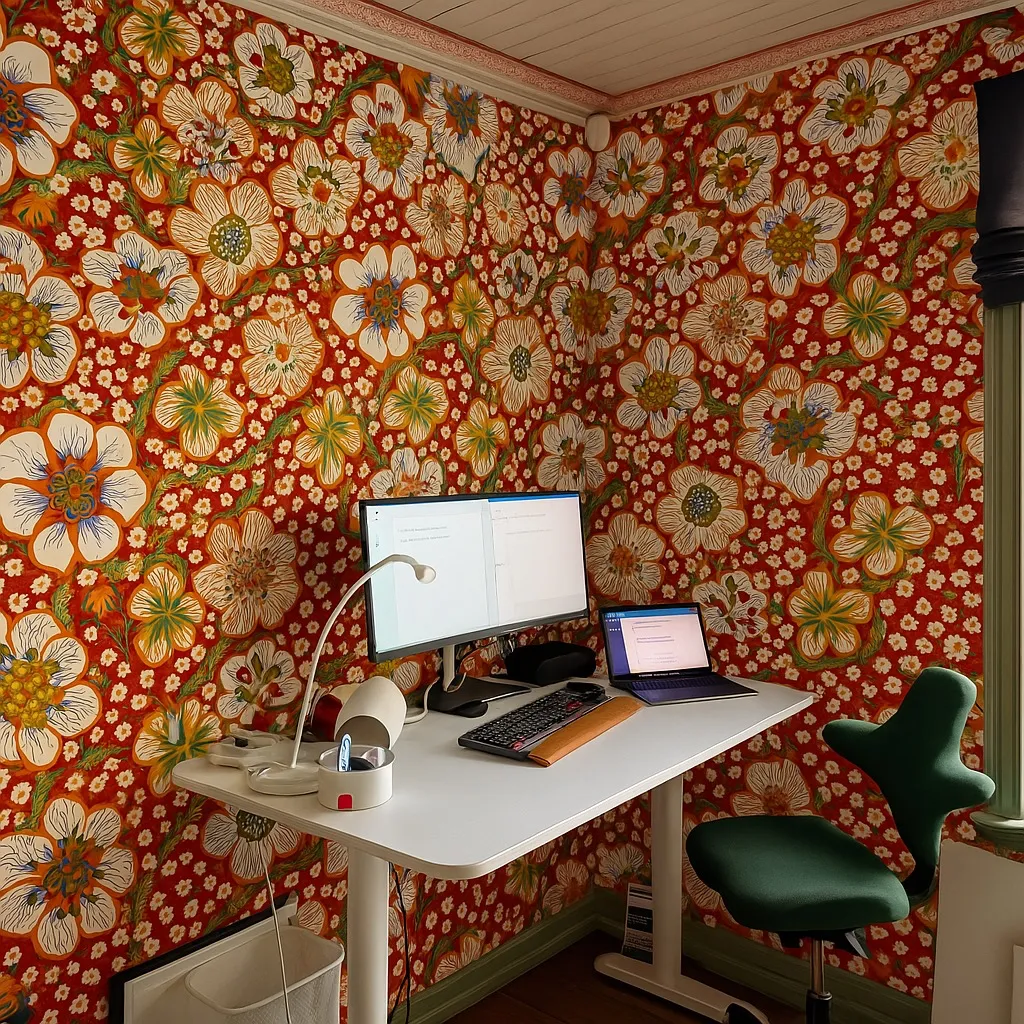
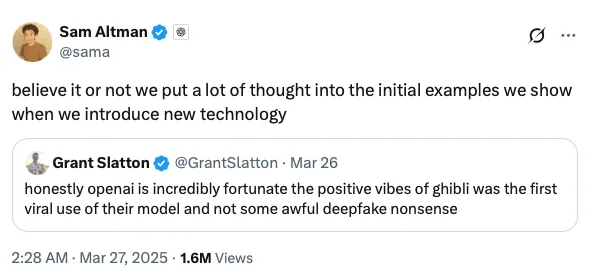
At launch, OpenAI leaned heavily into images prompted to look like scenes from a Studio Ghibli film. Among other things, Sam Altman, OpenAI’s CEO, changed his profile picture to a photo modified in the Ghibli style.
One topic that came up when I was a guest on the AI AW podcast the other day was that the new image generator seemed to have fewer safety guardrails — particularly around copyrighted material and inserting real, living people into images.
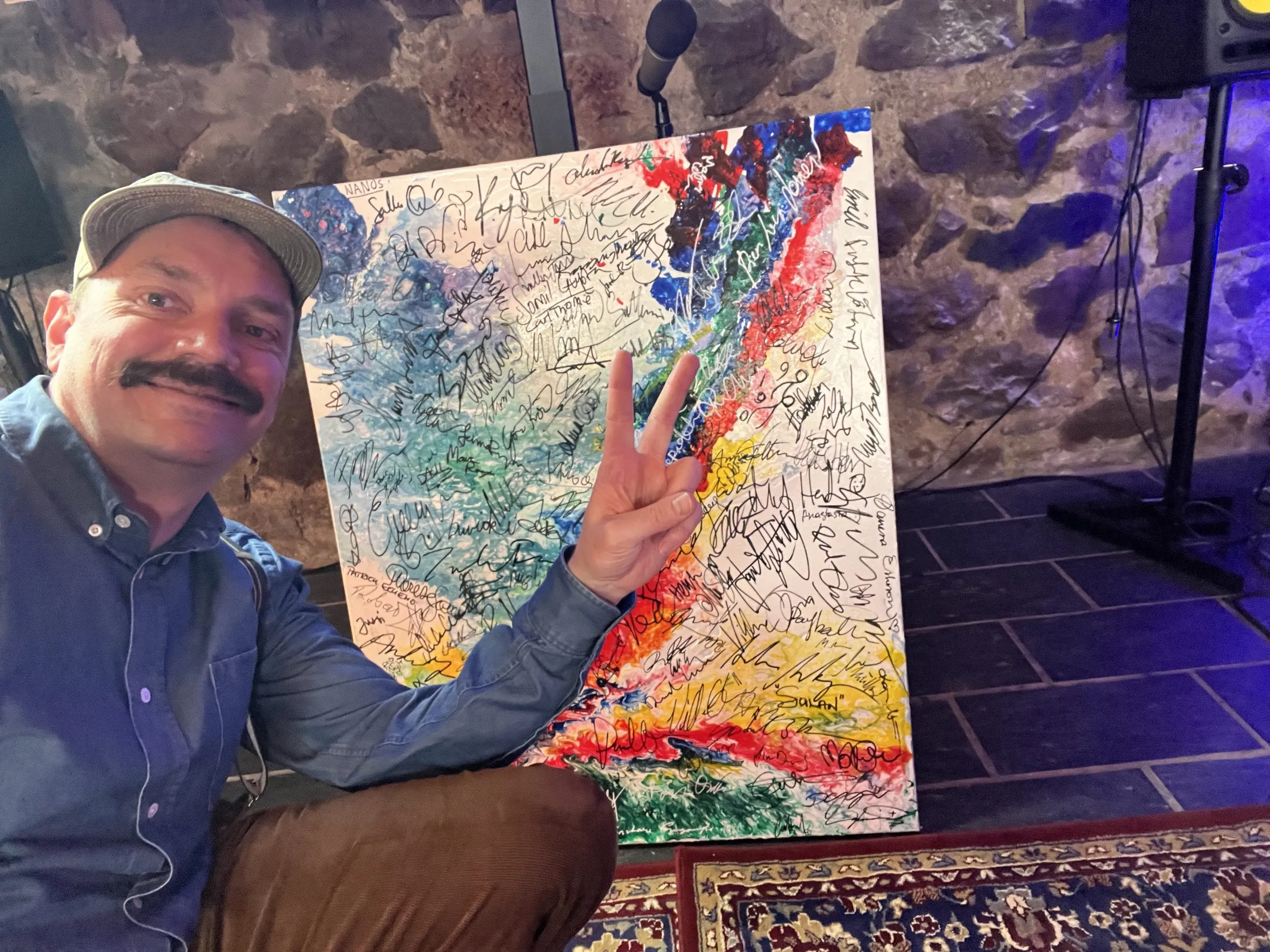
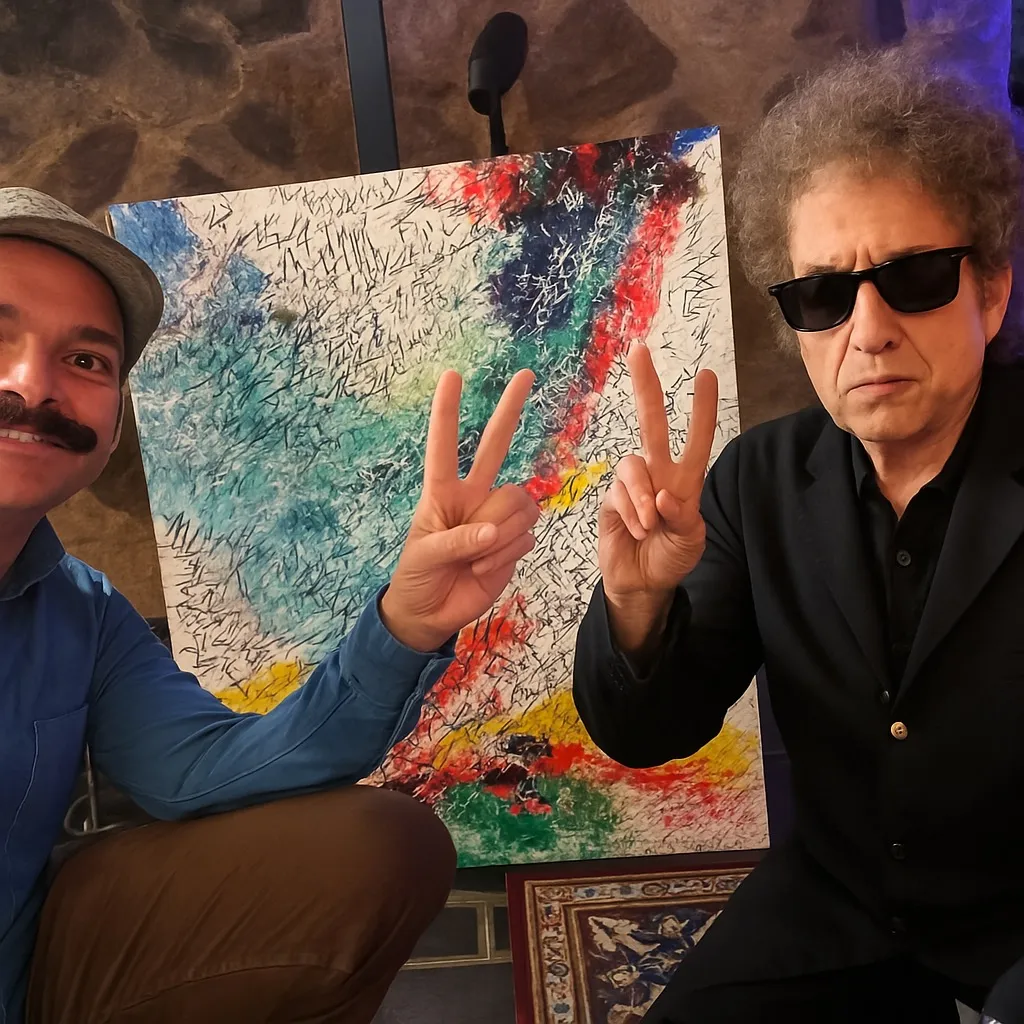
(Bob Dylan is AI-generated in the image on the right. He did not, unfortunately, appear on the AIAW podcast.)
OpenAI now seems to have a more permissive policy (compared to DALL·E 3) when it comes to using images of living people and generating images in the style of specific artists. My personal interpretation is that OpenAI is feeling the competitive pressure from Chinese AI products like Manus and Deep Seek, and that the company appears to be deprioritizing AI “safety” — something also hinted at by employees who have left the company. They are simply more willing to take risks around safety or copyright because they feel the need to ship flashier products, and faster, than their Chinese competitors.
The more permissive policy doesn’t seem entirely consistent, though — I’m not allowed to create images with Pokémon, or in the style of a 1950s Donald Duck cartoon, or to insert anything that even hints at “Star Wars.”
According to OpenAI themselves, the policy is that they don’t allow users to copy a distinctive style associated with a living artist, but that it’s perfectly fine to copy more general styles.
That interpretation should logically apply to Star Wars, Pokémon, or Donald Duck as well. A reasonable guess might be that it’s more about OpenAI believing they have a better shot in court against smaller companies than against Disney and Nintendo.
Another possibility is, of course, that OpenAI simply asked Studio Ghibli for permission to use their distinctive style in the image generator. Given how Hayao Miyazaki has previously reacted to AI-generated films, I’m skeptical that’s the case.